Special Bulk Offers on OptCare Nitrile Gloves!
👉 Get Bulk Quote
🔔

How to Choose Healthcare Product Wholesalers in Bangalore

Hospitals, pharmacies, clinics and homecare businesses depend on a steady supply of everyday healthcare essentials. A late delivery or poorly packed product can disrupt daily work, increase waste and affect the people using those supplies. Comparing Healthcare Products Wholesalers in Bangalore involves more than checking a catalogue or asking for the lowest quotation. Product suitability, documentation, storage, delivery schedules and after-sales communication all matter. This guide helps you evaluate suppliers, ask the right questions and choose suitable products based on your business requirements confidently. 

Why Does the Right Healthcare Wholesaler Matter?

Healthcare supplies are used in different settings, from busy hospital wards to small neighborhood pharmacies. Each buyer has different requirements for product sizes, quantities, packaging and delivery frequency. A supplier who understands these needs can help a business maintain sensible stock levels and avoid unnecessary purchases.

Dependable sourcing also makes it easier to track batches, check expiry dates where applicable, and handle complaints. When evaluating medical product wholesalers in Bangalore, look for clear records and consistent service rather than relying only on promotional claims.

Eight Practical Checks Before Selecting a Supplier

1. Match the Product Range to Your Needs

Begin with a list of products your organization actually uses. This might include examination gloves, adult diapers, underpads, disposable wipes, baby care products, and thermometers or nebulizers. Check available sizes, materials, pack quantities and intended uses. Not every item marketed as a healthcare product is suitable for every clinical task.

Ask for an updated catalogue and product specifications. Suppliers offering wholesale medical supplies in Bangalore should explain which items they stock regularly and which require advance orders. This makes repeat purchasing simpler.

2. Verify Licenses and Product Documentation

Medical devices sold in India fall under applicable regulatory requirements. Request the appropriate manufacturer or importer details, product labels and licensing information for regulated devices. Also confirm the distributor’s relevant registration or authorization where required. Requirements differ by product category, so avoid assuming one certificate covers everything.

For a regulated device, check that its intended use, manufacturer information and other required label details are available. If something is unclear, ask for clarification before placing an order. A quotation alone does not prove regulatory compliance.

3. Examine Quality, Packaging and Shelf Life

Inspect sample packs before committing to large quantities. Look for intact seals, readable labels, clear instructions and packaging suited to the product. Check whether gloves fit comfortably and whether absorbent products meet the user’s practical needs. For sterile items, confirm that packaging is intact and the stated sterile status is appropriate for the intended task.

Ask how incoming goods are checked and how damaged packages are handled. Medical disposables wholesalers in Bangalore should be able to explain batch identification, expiry management where applicable and their process for addressing defective stock.

4. Review Storage and Handling Practices

A well-organized warehouse matters as much as a wide catalogue. Products may need protection from moisture, direct sunlight, extreme temperatures or rough handling. Specific storage instructions depend on the manufacturer and product label.

Ask whether cartons are kept off damp floors, stock is rotated according to applicable dates and items are separated from potential contaminants. Request photographs or arrange a visit when practical. Correct handling helps preserve product condition until delivery.

5. Compare Quotations Beyond Unit Price

Two quotations may appear alike but include different quantities or product specifications. Compare the same product type, pack size, material, tax treatment, shipping charges and minimum order quantity. Also confirm the quotation’s validity period.

Ask about damaged-goods claims, credit terms and replacement procedures in writing. The best healthcare product wholesalers in Bangalore for your business are those whose total supply terms suit your needs, not necessarily those advertising the cheapest rate.

6. Check Delivery Reliability Across Bangalore

Traffic, receiving hours and multiple branch locations can complicate deliveries. Ask for realistic dispatch schedules, serviceable pin codes, tracking options and procedures for shortages. If your organization has multiple locations, check whether orders can be arranged separately for each site. 

Reliable medical supply distributors in Bangalore should communicate delays promptly and share invoices and delivery documents clearly. A planned reorder schedule is often more useful than depending on urgent last-minute purchases.

7. Assess Communication and Product Guidance

A useful wholesaler answers practical questions without making unsupported medical claims. Ask whether a representative can explain product differences, pack configurations and manufacturer instructions. Staff should also know when to refer clinical questions to qualified healthcare professionals.

Review response times during the quotation process. If details about specifications or stock availability take repeated follow-ups, consider how that may affect future orders. Clear communication reduces misunderstandings between buyers, store teams and suppliers.

8. Test Service With a Small Initial Order

Before signing a long-term agreement, consider a trial purchase. Check whether the delivered items match the approved specifications, arrive in good condition and include the required documents. Record any shortages and how quickly they are resolved.

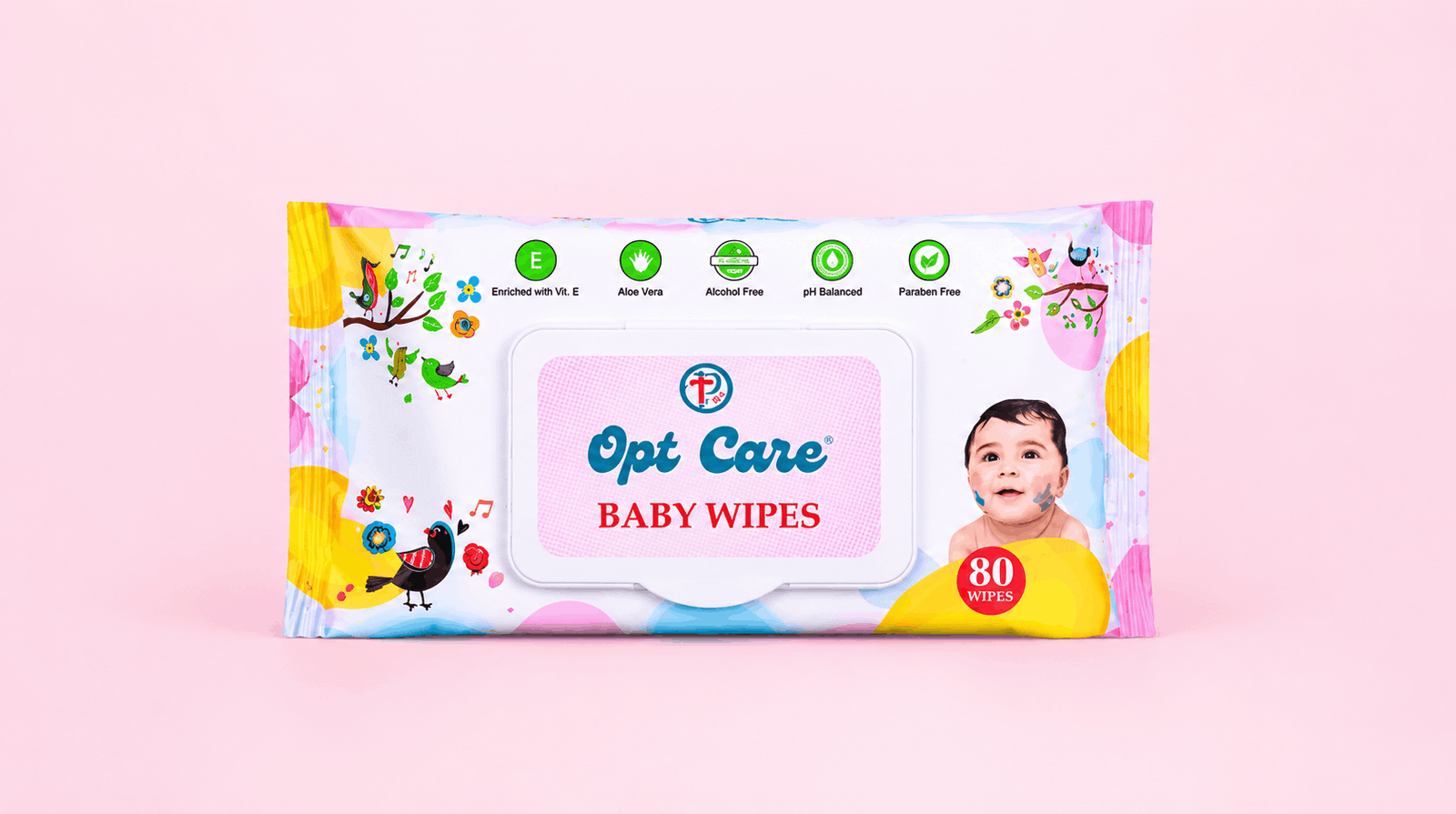
Suppliers serving healthcare organisations may offer multiple categories. For example, OptCare lists examination gloves, adult diapers, underpads, wipes and nebulizers among its products. Buyers can use such catalogues as a starting point, then request evidence and samples for their own purchasing requirements.

Questions to Ask Before Placing a Bulk Order

A short checklist helps purchasing teams compare suppliers fairly. Share the same questions with each shortlisted business and keep the answers alongside quotations. Keep a shared comparison sheet so every purchasing decision has a clear record.

  • Can you provide product specifications and relevant regulatory documents?
  • Are required sizes and pack quantities regularly available?
  • What are your minimum order quantities and delivery charges?
  • How are batch numbers and expiry dates recorded, where applicable?
  • What happens when products arrive damaged or incorrect?
  • Can you support repeat orders on an agreed schedule?

For hospital supply wholesalers in Bangalore, consistency across these answers is especially important when several departments depend on the same purchasing process.

Common Mistakes Buyers Can Avoid

Ordering only on price can lead to unsuitable materials or unexpected expenses. Another mistake is accepting a sample without checking that later deliveries match it. Review specifications on each order and raise differences immediately.

Avoid buying excessive quantities of items with limited shelf life. Keep an inventory record that includes usage, stock on hand and upcoming expiry dates where relevant. For frequent purchases, calculate a reorder point based on normal consumption and realistic delivery time.

Finally, avoid treating marketing phrases such as hospital grade as proof of suitability. Ask what the term means for that product and look for verifiable documentation instead.

Frequently Asked Questions

1. How can I compare healthcare product wholesalers in Bangalore?

Compare product specifications, relevant licenses, sample quality, delivery coverage and written return terms. Request equivalent quotations so differences are easier to identify.

2. What should I check when buying disposable medical supplies?

Review the intended use, material, packaging condition, manufacturer information and expiry date if applicable. Confirm whether the product needs specific storage conditions.

3. Is a bulk discount enough reason to select a supplier?

No. Look at the overall purchase cost, minimum order requirements, timely delivery, and how the supplier manages damaged items or mistakes in shipments. 

4. Can one wholesaler supply both hospitals and homecare businesses?

Some suppliers serve both. OptCare presents products for healthcare organizations, distributors and care needs. Always verify that each item suits its intended setting.

5. How often should businesses review their supplier performance?

Review service after initial deliveries and periodically thereafter. Track order accuracy, product condition, communication and delivery consistency before renewing purchasing arrangements.

Conclusion

A dependable wholesaler supports purchasing teams through suitable products, clear documentation and predictable deliveries. Start with your actual needs, verify important claims and compare terms in writing. A small trial order can reveal more than a polished brochure. With a practical review process, businesses can build supplier relationships that support safer handling, sensible inventory planning and smoother everyday operations.

How to Choose Healthcare Products Wholesalers in Bangalore

How to Choose Healthcare Products Wholesalers in Bangalore

How to Choose Healthcare Product Wholesalers in Bangalore Hospitals, pharmacies, clinics and homecare businesses depend…

Read More
Blood Pressure Monitor Features to Compare Before Purchasing

Blood Pressure Monitor Features to Compare Before Purchasing

Blood Pressure Monitor Features to Compare Before Purchasing Regular blood pressure monitoring at home helps…

Read More
Adult Diaper Sizes Explained: Small, Medium, Large, XL and XXL

Adult Diaper Sizes Explained: Small, Medium, Large, XL and XXL

Adult Diaper Sizes Explained: Small, Medium, Large, XL and XXL A comfortable adult diaper should…

Read More
How Long Do Baby Wet Wipes Last After Opening?

How Long Do Baby Wet Wipes Last After Opening?

How Long Do Baby Wet Wipes Last After Opening? Baby wet wipes are commonly used…

Read More
How to Choose a Hot Water Bag: Material, Size and Safety Features

How to Choose a Hot Water Bag: Material, Size and Safety Features

How to Choose a Hot Water Bag: Material, Size and Safety Features A hot water…

Read More
Digital Thermometer Readings Explained: Common Measurement Errors

Digital Thermometer Readings Explained: Common Measurement Errors

Digital Thermometer Readings Explained: Common Measurement Errors A thermometer can show a different number each…

Read More

What Are Disposable Towelettes? Types, Benefits and Common Uses

What Are Disposable Towelettes? Types, Benefits and Common Uses Diaper changes, assisted bathing and everyday…

Read More
Nitrile Gloves vs. Latex Gloves: Key Differences and Uses

Nitrile Gloves vs. Latex Gloves: Key Differences and Uses

Nitrile Gloves vs. Latex Gloves: Key Differences and Uses Medical gloves are essential protective supplies…

Read More
How to Choose Baby Wet Wipes for Everyday Baby Care

How to Choose Baby Wet Wipes for Everyday Baby Care

How to Choose Baby Wet Wipes for Everyday Baby Care Baby wipes are an everyday…

Read More
How to Choose the Best Adult Diapers for Elderly People

How to Choose the Best Adult Diapers for Elderly People

Essential Medical Devices Every Home Should Have Healthcare is no longer limited to hospitals and…

Read More