How to Choose a Hot Water Bag: Material, Size and Safety Features
A hot water bag can bring comforting warmth to tired muscles, menstrual cramps or a stiff back. Material quality, capacity, the closing cap and a protective cover all affect comfort and safety. Understanding how to choose a hot water bag helps you compare practical details instead of relying on colour, packaging or promotional claims alone.
Why Does the Right Hot Water Bag Matter?
A hot water bag holds heated water and releases warmth gradually through its surface. Gentle warmth can help relax tight muscles and provide temporary relief from stiffness and discomfort. Poor construction, damaged material or careless filling can lead to leaks and burns. A suitable product should therefore be easy to fill, comfortable to hold and straightforward to inspect before every use.
Compare Hot Water Bag Materials
Different hot water bag materials have distinct characteristics. Read the product label, because appearance alone cannot confirm what a bag contains.
Natural Rubber
Rubber bags are flexible and commonly used for traditional hot water bottles. They can fit gently against the body and may have ridged surfaces for better handling. Check that the rubber feels even, without cracks, hard spots or unusual stickiness. Natural rubber may be unsuitable for someone with a latex allergy.
PVC and Other Materials
Some hot water bottles use PVC, a flexible plastic. Avoid assuming every plastic bag can safely hold the same temperature. A strong smell, damaged seams or unclear material information is a reason to investigate before buying.
Understand Hot Water Bag Sizes
Common hot water bag sizes range from compact designs to larger bags intended to cover a broader area.
- Small bags: Easier to hold and position around a limited area, such as a sore wrist, when appropriate.
- Medium bags: Convenient for everyday warmth and use around the abdomen or lower back.
- Large bags: Cover more space but can become heavy and awkward when filled.
Never fill a larger bag completely simply because it has more room. Follow its maximum fill line or manufacturer guidance.
Check Hot Water Bag Safety Features
Useful safety features for hot water bags are less about decoration and more about reducing avoidable risks. Examine these details when comparing products:
- Secure stopper: A cap should tighten smoothly and form a reliable seal without damaged threads.
- Strong neck: The opening should be wide enough for careful filling and firm enough to handle safely.
- Sound body and seams: Look for consistent construction without thin patches, splits or signs of leaking.
- Clear instructions: Packaging should explain filling limits, suitable water temperature, warnings and storage.
- Protective cover: A washable fabric cover or several layers of towel should separate the bag from skin.
- Date marking: Where available, a manufacturing date helps you assess age and replacement needs.
These safety features for hot water bags matter even when the bag is used only occasionally.
How to Use a Hot Water Bag Safely
Safe handling matters as much as product quality. Before each use, inspect the entire bag and cap for brittleness, fading, cracking, swelling or leaks. If anything looks wrong, replace it.
- Heat water to a comfortably warm level, following the product instructions. Never use boiling water.
- Hold the bag upright by its neck and pour slowly, keeping hands clear of splashes.
- Fill only to the stated limit; many traditional bottles allow no more than two-thirds capacity.
- Carefully release excess air as directed, then fasten the stopper securely.
- Check for leaks over a sink before placing the bag inside a suitable cover.
- Place it gently beside the uncomfortable area without sitting or lying on top of it.
Apply comfortable warmth for around 10 to 15 minutes initially, checking your skin regularly. Remove the bag sooner if your skin becomes uncomfortable. Never sleep with it against your body. Guidance from NHS services supports using a towel barrier and avoiding heat over numb or damaged skin.
Can a Hot Water Bag Help With Pain?
A hot water bag for pain relief may be useful for temporary comfort during muscle tightness, mild cramps and some forms of stiffness. Gentle heat may help the body relax, but the level of relief can vary depending on the person’s condition.
For example, a hot water bag for back pain may feel soothing when discomfort comes from tense muscles after a long day. Keep it covered and avoid pressing your body weight onto it. For new injuries with swelling, redness or warmth, heat may make symptoms worse; ask a healthcare professional what is appropriate.
Anyone with reduced skin sensation, poor circulation or diabetes-related nerve problems should seek medical advice before applying heat. Babies and people unable to move away from the heat safely require particular protection.
What to Check Before Buying
When searching for the best hot water bag to buy, focus on verifiable features rather than promises of instant relief.
- Material and any relevant allergy information are clearly stated.
- Capacity and filling instructions match your intended use.
- Stopper closes securely, and the body shows no visible damage.
- A protective cover is supplied or can be used separately.
- Care guidance, manufacturer details and replacement advice are available.
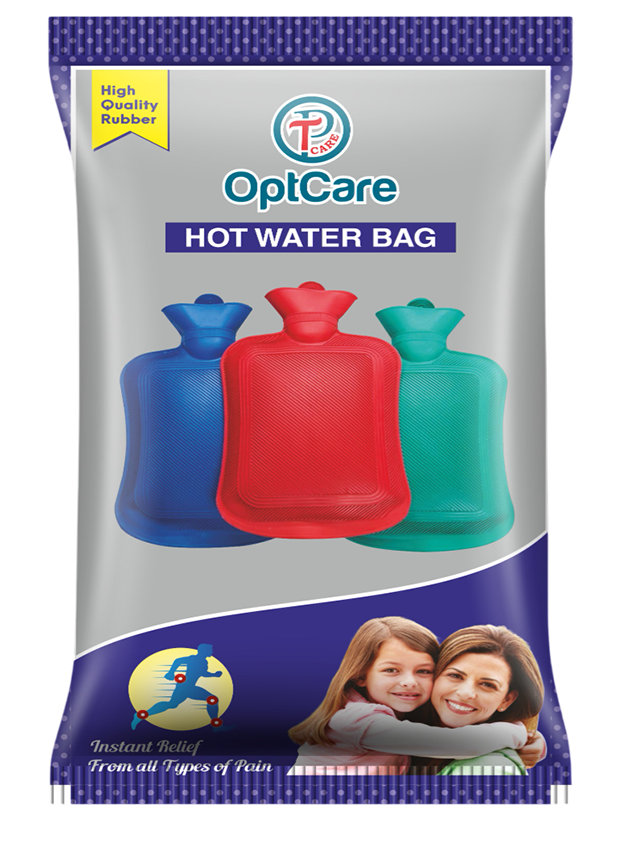
For example, OptCare describes its hot water bag as a rubber product with a textured surface and secure cap. Read the specific product instructions before use rather than assuming features found on one model apply to every bag.
Cleaning, Storage and Replacement Tips
After use, let the bag cool, empty it completely and leave it to dry according to the instructions. Store it in a cool, dry place away from sunlight, sharp objects and sources of heat. Avoid folding it tightly or placing heavy items on top.
Check both the inside and outside regularly, as the material can become weaker over time, even without visible damage. Replace the bag immediately if it develops cracks, leaks or a brittle feel. Replacement intervals differ between safety authorities and products; follow local guidance and the manufacturer’s advice, and never rely on appearance alone.
Frequently Asked Questions
Final Thoughts
A reliable hot water bag combines suitable material, manageable size, a secure seal and careful everyday handling. Read the label, use a protective cover and inspect the bag before every session. Gentle warmth can provide comfort, but safe use matters more than keeping the water extra hot. When pain continues or warning signs appear, seek medical guidance rather than depending on heat alone.