What Are Underpads? Uses, Benefits and Types Explained
Wet wipes are commonly used to clean a baby’s skin during diaper changes, after feeding and while travelling. Different types of wipes are designed for different cleaning needs, and their ingredients may vary. Baby wipes are generally formulated for delicate skin, while regular wipes may be intended for personal or household cleaning. Understanding these differences helps parents choose suitable products, maintain daily hygiene and reduce the risk of skin irritation.
Why Wipe Type Matters for Infant Skin
Baby Wet Wipes vs. Regular Wet Wipes comes down to more than packaging. Infants have delicate skin, especially around the nappy area, where repeated cleaning and trapped moisture can contribute to soreness. A product made for household counters or adult hand cleaning may not suit that purpose.
Baby-focused products are typically formulated for frequent skin contact, but ingredients still differ between brands. Regular wet wipes can refer to personal cleansing, antibacterial hand wipes or household cleaning products. Reading the intended-use statement is more useful than judging a pack by its name.
What Are the Key Differences Between Baby Wipes and Regular Wipes?
The difference between baby wipes and regular wipes starts with where and how the product is meant to be used. Five practical details help explain why packs that look alike are not always interchangeable.
- Intended Use: Infant wipes are designed for cleaning delicate skin during changes and everyday messes, while general-purpose products may be intended for adult hands, equipment or household surfaces instead.
- Cleansing Formula: Baby-specific products often favour mild cleansing ingredients, whereas some multipurpose varieties contain stronger cleaning agents or disinfectants that are not suitable for a child’s skin.
- Fabric Texture: Soft, flexible sheets help parents clean small skin folds with light strokes; coarse or heavily textured materials can increase friction during repeated wiping.
- Scent Profile: Fragrance-free choices may suit babies who react to perfume, while a product described as mildly scented still contains fragrance and may not suit everyone.
- Safety Directions: Check the recommended application area, age guidance and disposal instructions, particularly when a pack uses terms such as antibacterial, sanitising or disinfecting. Put used wipes in a bin, not the toilet.
Safe and Gentle Baby Wet Wipe Procedure During Diaper Changes
Proper cleaning during diaper changes helps maintain hygiene and reduce skin irritation. Always wash your hands before and after changing a diaper. Gently wipe the diaper area from front to back, especially for baby girls, and clean carefully around skin folds. Avoid rubbing the skin, and allow the area to dry before putting on a fresh diaper. Changing wet or soiled diapers promptly also helps prevent prolonged moisture contact and discomfort.
What Ingredients Should Parents Look for in Baby Wet Wipes?
The best wet wipes for babies are those that suit a child’s skin and everyday routine, rather than simply the most heavily advertised option. Look for clear ingredient information, a gentle cleansing formula and instructions that explain where the wipes can be used safely.
Fragrance-free and alcohol-free options are often preferred for nappy care, particularly when irritation is a concern. Remember that “natural” and “hypoallergenic” do not mean a product cannot trigger a reaction. Preservatives also have a role in keeping moist products usable, so assess the complete formulation.
How to Choose Wipes for Daily Care
Choosing suitable wet wipes involves checking their ingredients, softness and suitability for daily use. Here are five important factors parents can consider before buying baby wipes.
- Match the Purpose: Choose a product clearly labelled for infant skin, especially for nappy changes, and keep surface cleaners or disinfecting hand wipes away from the changing area.
- Consider Skin Sensitivity: Baby wipes for sensitive skin should have transparent ingredient labels; fragrance-free formulations may be a sensible starting point if your child has reacted to scented products.
- Check Softness and Moisture: Gentle baby cleaning wipes need enough moisture to remove mess with light strokes, without leaving so much liquid that the nappy area stays damp afterward.
- Inspect the Closure: A secure lid or resealable sticker helps maintain moisture between uses; check that the opening closes properly after removing a single sheet from the pack.
- Choose Practical Quantities: Smaller packs are easier to carry on outings, while larger packs may suit frequent changes at home; compare pack information rather than size alone. Review storage directions and check expiry information before stocking up, particularly for bulk purchases.
How Can Wipes Be Used Gently?
Proper cleaning during diaper changes helps maintain hygiene and reduce skin irritation. Always wash your hands before and after changing a diaper. Gently wipe the diaper area from front to back, especially for baby girls, and clean carefully around skin folds. Avoid rubbing the skin, and allow the area to dry before putting on a fresh diaper. Changing wet or soiled diapers promptly also helps prevent prolonged moisture contact and discomfort.
Gentle Cleaning Options for Babies with Sensitive or Irritated Skin
Warm water and cotton wool or a soft cloth remain useful options, especially if a baby’s skin is already sore. For routine nappy changes, health guidance also recognizes fragrance-free, alcohol-free infant wipes. The main aim is gentle cleaning without unnecessary rubbing or leaving the area damp.
If a new product seems to cause redness, stop using it and review the ingredients. Allow the skin to dry after cleaning and avoid layering scented products over irritated areas. Seek advice from a healthcare professional if a rash persists, spreads or makes your baby uncomfortable.
What Should Parents and Retailers Compare?
When choosing wet wipes, parents need to consider factors such as ingredients, softness, sheet size and packaging. Pharmacies, childcare centres and distributors may also look at product quality, available pack sizes and storage instructions. Understanding baby wet wipes vs. regular wet wipes helps buyers identify products suitable for their intended use and make informed purchasing decisions based on safety, comfort and everyday hygiene needs.
Choose the Right Baby Wet Wipes for Everyday Care
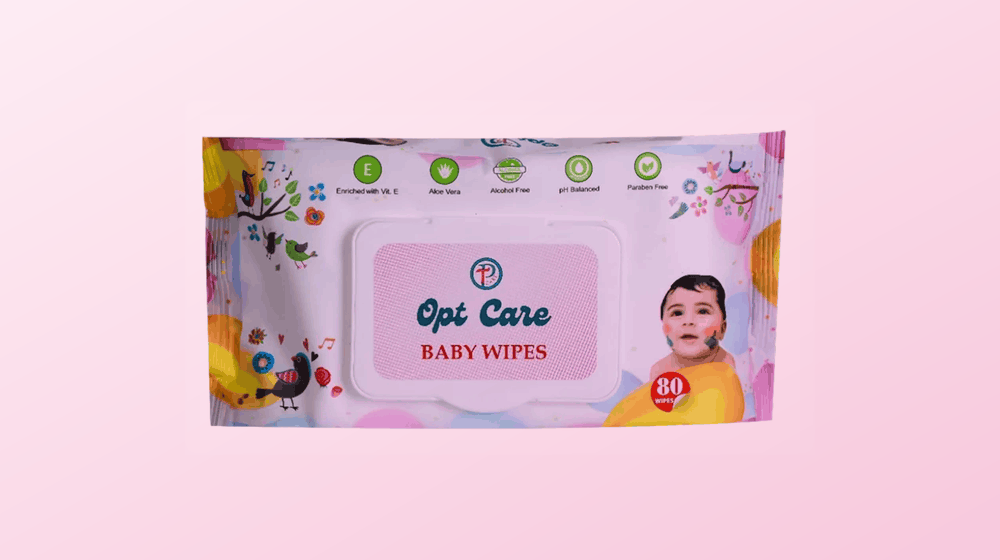
When comparing baby wet wipes vs. regular wet wipes, choosing a product designed for delicate skin and daily hygiene is important. OptCare offers alcohol-free, pH-balanced baby wipes with aloe vera and vitamin E for gentle cleaning. Parents can explore the available options and choose a suitable pack based on their baby’s skin needs, comfort and everyday care routine.
Frequently Asked Questions