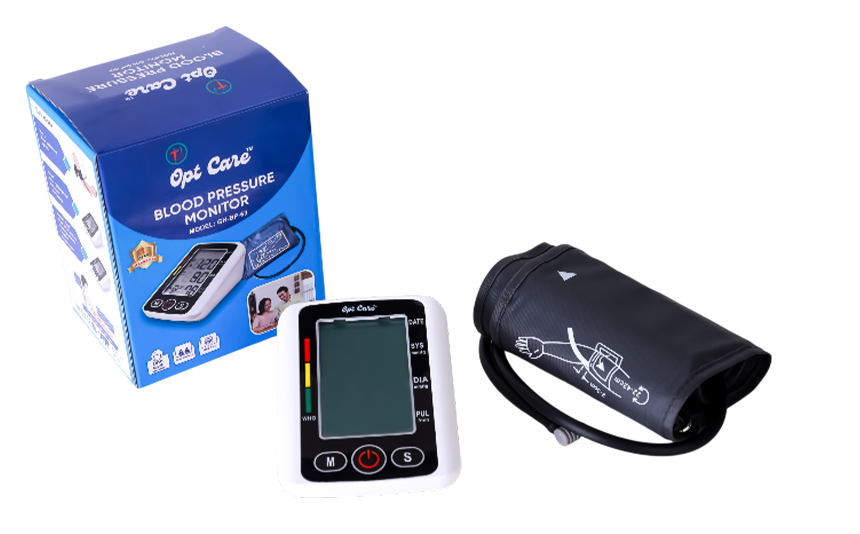
Regular blood pressure monitoring at home helps individuals track their readings and identify changes that may need medical attention. Choosing the right monitor is important because devices differ in measurement accuracy, cuff size, display clarity and ease of operation. Understanding the key blood pressure monitor features helps buyers compare available models and select a device that suits their daily needs. A suitable monitor can make routine blood pressure checks easier and help maintain consistent health records.
A home blood pressure monitor measures two important values systolic pressure, which shows the pressure in the arteries when the heart beats and diastolic pressure, which measures the pressure when the heart relaxes between beats. Many digital monitors also display pulse rate, helping users track their heart rate during routine checks. Recording these readings regularly allows healthcare professionals to identify blood pressure trends and assess changes over time. Choosing a suitable device is important for reliable home monitoring. This blood pressure monitor buying guide explains the key factors to consider, including measurement accuracy, cuff size, display clarity, memory storage and ease of use.
1. Clinical Validation and Measurement Reliability
Blood pressure reading accuracy is one of the most important factors to consider. Check whether the model appears on a recognised validation list, such as STRIDE BP or has undergone independent accuracy testing. A display showing more digits does not necessarily mean better accuracy. Also, make sure the monitor is suitable for the intended user, especially during pregnancy or when measuring blood pressure in children.
2. Upper-Arm Cuff and Correct Fit
Automatic upper-arm blood pressure monitors are commonly recommended for home use as they provide reliable readings when used correctly. Before buying, measure your upper-arm circumference and check the monitor’s cuff size range. A cuff that is too tight or loose may affect accuracy. If multiple family members use the same device, choose a suitable cuff or compatible replacement cuffs.
3. Clear Display and Simple Controls
Among useful digital BP machine features, a readable screen matters more than complicated menus. Look for large numbers, a labelled start button and clear systolic and diastolic results. A backlit display helps in dim rooms. People with limited vision or hand movement may prefer one-touch controls.
4. Automatic Inflation and Comfortable Measurement
The features of a digital blood pressure monitor should make testing straightforward. An automatic model inflates and deflates the cuff without manual pumping. Check the material, tube length and instructions for correct positioning. The cuff should feel secure without causing unnecessary discomfort. Stay still and silent during measurement.
5. Reading Memory and Multiple User Profiles
Stored results make trends easier to discuss at appointments. Some models save measurements for one person, others keep records for two users. Date and time stamps help distinguish morning and evening readings. If you want digital records, compare Bluetooth or app sharing, but check that your chosen model actually includes them.
6. Pulse Display and Irregular Heartbeat Alerts
Pulse rate monitoring shows heart rate alongside blood pressure results. Some monitors also flag an irregular rhythm. Such alerts do not diagnose heart problems and an ordinary reading does not rule them out. Discuss repeated alerts with a healthcare professional, particularly when symptoms occur.
7. Battery Options and Portability
Think about where the blood pressure measurement device will be used. Batteries suit travel, while USB power may be convenient at home. Check which accessories are included USB support does not necessarily mean a rechargeable battery. A carry case protects the cuff and tubing during storage.
8. On-Screen Indicators and Helpful Instructions
Colour scales or symbols can help explain where a reading falls within a general range. They cannot replace clinical interpretation. The manual should explain cuff placement, error messages and what to do if results seem unusual. Clear instructions are especially useful for first-time users and caregivers.
9. Maintenance and After-Sales Support
Before selecting the best blood pressure monitor to buy, review the return process, replacement cuff availability and cleaning instructions. Ask how readings can be checked against equipment at a clinic. Easy upkeep and accessible product support may be more valuable than an advanced feature you rarely use.
The right device depends on your health condition and how often you need to check your blood pressure. People managing hypertension may need regular measurements to track changes and review treatment progress. Pregnant women, children and individuals with irregular heart rhythms may require monitors specifically validated for their needs. If you have an existing medical condition, consult your healthcare professional to understand which type of monitor is suitable and how frequently measurements are needed.
Before purchasing, check these important points to choose a suitable device:
A digital blood pressure monitor with simple controls can make daily health checks easier, especially for older adults. Focus on the features you need for regular use rather than unnecessary functions.
Understanding blood pressure monitor features is important, but following the correct measurement steps is equally essential for reliable results. Before checking your blood pressure, avoid caffeine, smoking and physical exercise for at least 30 minutes. Sit comfortably for five minutes with your back supported, feet flat on the floor and arm resting at heart level. Place the cuff directly on bare skin and remain still without talking during the measurement.
Take two readings about one minute apart and record the results to track changes over time. Try to check your blood pressure at the same times each day, following your doctor’s advice. You can also bring your monitor to a medical appointment to check your technique and compare its readings with the clinic’s equipment.
Choosing a monitor involves more than comparing screens and buttons. Prioritise clinical validation, cuff fit, readable results and features suited to your routine. OptCare lists its GH-BP-63 with one-touch operation, a 22-42 cm upper-arm cuff and memory for two users. Explore the product specifications and enquire about suitability before purchasing. Comparing blood pressure monitor features carefully can make everyday tracking easier.
Automatic monitors are usually easier for home use because they inflate the cuff and display results without a stethoscope. A validated upper-arm model is generally preferred.
Some models need periodic accuracy checks or servicing according to the manufacturer’s instructions. If readings seem inconsistent, ask a healthcare professional to check your device.
Blood pressure changes naturally with stress, movement, breathing and body position. Rest quietly, use the same arm and record repeated measurements instead of relying on one result.
Yes, most digital monitors display measurements directly on the screen and do not need internet access. Smartphone connectivity is an optional convenience for recording or sharing results.
Validated upper-arm monitors are generally preferred for home use. Wrist monitors require careful positioning at heart level, as incorrect placement can affect blood pressure readings.
How to Choose Healthcare Product Wholesalers in Bangalore Hospitals, pharmacies, clinics and homecare businesses depend…
Read MoreBlood Pressure Monitor Features to Compare Before Purchasing Regular blood pressure monitoring at home helps…
Read MoreAdult Diaper Sizes Explained: Small, Medium, Large, XL and XXL A comfortable adult diaper should…

Read MoreHow Long Do Baby Wet Wipes Last After Opening? Baby wet wipes are commonly used…
Read MoreHow to Choose a Hot Water Bag: Material, Size and Safety Features A hot water…

Read MoreDigital Thermometer Readings Explained: Common Measurement Errors A thermometer can show a different number each…
Read MoreWhat Are Disposable Towelettes? Types, Benefits and Common Uses Diaper changes, assisted bathing and everyday…
Read MoreNitrile Gloves vs. Latex Gloves: Key Differences and Uses Medical gloves are essential protective supplies…
Read MoreHow to Choose Baby Wet Wipes for Everyday Baby Care Baby wipes are an everyday…

Read MoreEssential Medical Devices Every Home Should Have Healthcare is no longer limited to hospitals and…

Read More