How to Choose Baby Wet Wipes for Everyday Baby Care
Baby wipes are an everyday essential for keeping your baby’s skin clean during diaper changes, feeding and other daily activities. Since a baby’s skin is delicate, choosing the right wipes is important to maintain hygiene and reduce the risk of irritation. When selecting baby wet wipes for daily use, parents need to consider ingredients, softness, moisture levels and suitability for sensitive skin. Understanding these factors can help you choose wipes that support gentle cleaning, skin comfort and your baby’s everyday hygiene needs.
How to Choose the Right Baby Wipes for Daily Care
Baby wipes used for regular cleaning need to remove dirt, milk residue and diaper mess without causing unnecessary friction. A suitable wipe should have enough moisture to clean effectively, a soft texture that moves smoothly across the skin and a formula intended for infant care. Checking the ingredient list helps parents identify added fragrances, alcohol and other substances that may not suit their baby’s skin.
When comparing baby wet wipes for everyday use, also consider how the skin feels after cleaning. Wipes should not leave a sticky residue or cause noticeable redness or discomfort. Babies with eczema or easily irritated skin may benefit from fragrance-free options. Choosing a product based on its ingredients, intended use and your baby’s skin response can make routine cleaning more comfortable and manageable.
7 Essential Factors to Consider When Choosing Baby Wipes
Knowing how to select baby wipes involves more than choosing a familiar brand or attractive packaging. Parents need to consider several factors that affect cleaning, skin comfort and everyday convenience. The following seven points can help you compare different options and make a suitable choice for your baby’s daily care.
- Check the ingredients: Choose wipes designed for infant skin and review the ingredient list for preservatives and added fragrances. A clearly labelled, water-based formula helps identify ingredients that may cause sensitivity.
- Choose an alcohol-free formula: Look for wipes free from drying alcohols, such as ethanol or denatured alcohol, which may cause skin dryness. Check the label to understand the ingredients used.
- Consider fragrance and skin sensitivity: Added fragrances may irritate delicate skin, especially in babies with eczema. Fragrance-free wipes are generally preferable for sensitive skin.
- Examine the fabric quality: Select soft, durable sheets that clean effectively without excessive rubbing or tearing. Consider the thickness and size for easier cleaning during diaper changes.
- Check the moisture balance: Properly moistened wipes help remove milk, food residue and diaper mess without harsh rubbing. Gently dry the cleaned area to prevent moisture buildup.
- Look for practical packaging: Choose packs with secure, resealable covers to maintain moisture and prevent wipes from drying out. Check the expiry date and storage instructions before purchasing.
- Select a suitable pack size: Larger packs are convenient for home use, while compact packs are easier to carry when travelling. Try a smaller pack first to check your baby’s skin response.
What to Consider When Choosing Baby Wipes for Newborns and Sensitive Skin
Newborn babies have delicate skin that requires extra attention during cleaning and diaper changes. When selecting baby wipes for newborns, parents need to consider whether the product is suitable for their baby’s age and skin condition. Plain lukewarm water and soft cotton can be a suitable option during the first few weeks. For premature babies or those with existing skin concerns, consult a paediatrician before introducing cleansing products.
For babies who experience frequent redness or irritation, choosing baby wipes for sensitive skin requires additional care. Fragrance-free options may help reduce exposure to common irritants, particularly for babies with eczema. If a product causes discomfort or a rash, stop using it and switch to water and a soft cloth. Seek medical advice if the irritation continues or becomes worse.
How to Use Wipes Without Irritating the Skin
Even Gentle baby cleaning wipes can cause friction when used too firmly. These habits can help:
- Wash your hands and prepare a clean nappy before starting.
- Lift away residue using light strokes rather than repeated scrubbing.
- Wipe the nappy area from front to back, particularly for girls.
- Gently pat the skin dry, including creases, before putting on the new nappy.
- Close the packet straight away and put used wipes in the bin, never the toilet.
If a rash is severe, use lukewarm water instead of rubbing with wipes. Change wet or soiled nappies promptly. Seek medical advice for spreading redness, blisters, fever or a rash that is getting worse.
Selecting Baby Wipes Pack Sizes for Daily Care and Travel
Choosing the right pack size can make everyday baby care easier, whether you are at home or travelling. When buying baby wipes for daily hygiene, consider how often they are needed and where they will be used. Larger packs are practical for regular diaper changes at home, while smaller, travel-friendly packs are convenient for outings and quick clean-ups.
Before purchasing in bulk, try a smaller pack to check its quality and suitability for your baby’s skin. Look for packaging that closes securely to maintain moisture and prevent contamination. Store unopened and opened packs according to the manufacturer’s instructions, away from direct sunlight and excessive heat.
Common Mistakes Parents Should Avoid When Buying Baby Wipes
Choosing wipes based only on fragrance, attractive packaging or a low price can lead parents to overlook important factors. Always check whether the product is designed for infant care and review its ingredients before purchasing. Another common mistake is assuming that extra moisture provides better cleaning, as excess wetness left on the skin may contribute to irritation. Household cleaning wipes and antibacterial surface wipes should never be used on babies, as they may contain unsuitable chemicals.
When selecting baby wet wipes for daily use, focus on skin suitability, material quality and proper storage rather than additional product features. These simple considerations can help parents make safer, more practical choices for everyday cleaning.
Making the Right Choice for Your Baby’s Daily Hygiene
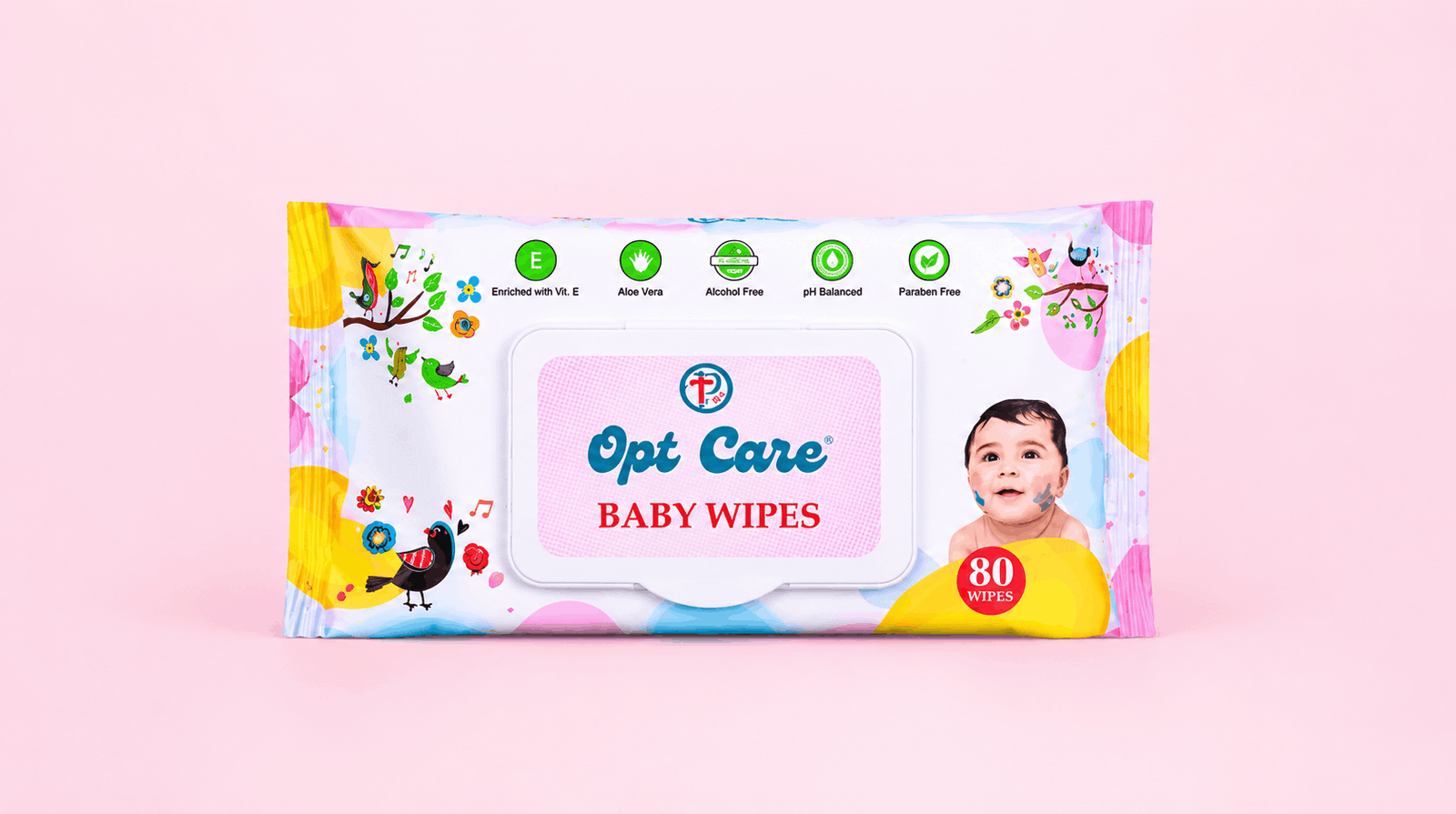
Finding reliable baby wet wipes for daily use starts with checking the ingredients, choosing a soft sheet and watching how your baby’s skin responds. A practical pack size and secure closure also make everyday care simpler. Explore the baby wipe options available from OptCare to compare pack sizes or ask about bulk supply. Its listed wipes are alcohol-free and pH-balanced, with aloe vera and vitamin E and have a mild fragrance. The right choice is the one that fits your routine while respecting your baby’s individual skin needs.
Frequently Asked Questions