Common Nebulizer Usage Mistakes and How to Avoid Them
A nebulizer can make prescribed respiratory medication easier to inhale by turning liquid medicine into a fine mist. It is commonly used by people who need treatment for certain breathing conditions, including asthma and chronic obstructive pulmonary disease (COPD). However, getting the best from this device involves more than switching it on and breathing through a mask or mouthpiece.
Small errors, such as using an incorrect dose, assembling components improperly, or neglecting cleaning, can affect treatment delivery and equipment hygiene. Understanding common nebulizer usage mistakes helps patients and caregivers follow treatment instructions more confidently and maintain their equipment properly.
1. Using the Wrong Medication or Dose
One of the most important safety concerns is putting the wrong medicine or an incorrect quantity into the medication cup. Not every liquid is suitable for nebulization, and medicines prescribed for one person may not be appropriate for another.
How to avoid this mistake:
- Use only medication specifically prescribed or recommended by a qualified healthcare professional for nebulization.
- Check the medicine name, prescribed dose, expiry date, and instructions before every treatment.
- Never increase the dose or treatment frequency without medical advice.
- Do not mix medicines unless your clinician or pharmacist confirms that the combination is appropriate.
- Avoid adding essential oils, homemade solutions, or ordinary tap water to the medication cup.
Correct nebulizer medication administration starts with following the prescription. Ask your pharmacist if you are unsure whether a medicine needs dilution or can be combined with another treatment.
2. Assembling the Machine Incorrectly
Loose connections, missing components, or an incorrectly fitted medication cup can prevent the device from producing mist properly. These problems may interrupt treatment or reduce the amount of medication delivered.
How to assemble a nebulizer correctly:
First, wash and dry your hands. Place the compressor on a clean, stable, and level surface. Assemble the medication cup according to the manufacturer’s instructions, ensuring that any internal baffle or other required component is correctly positioned. Attach the mouthpiece or mask, then connect the tubing to the designated outlets.
Check that the connections are secure without forcing the parts together. Follow the specific instructions for your device because mesh and compressor nebulizers may have different assembly requirements.
3. Maintaining an Incorrect Position During Treatment
Body position and device placement can influence how comfortably a person receives treatment. Tilting a device beyond its permitted operating angle may cause liquid to spill or interfere with mist production.
Sit upright in a comfortable chair whenever possible. Keep the medication chamber in the position recommended by the manufacturer. If using a mouthpiece, place it between your teeth and close your lips around it. When using a mask, ensure it fits securely over your nose and mouth.
Breathe normally and calmly according to your healthcare professional’s instructions. Avoid talking unnecessarily during treatment. Continue until the device indicates that the session has finished, following the manual rather than relying on a fixed duration for every machine.
4. Ignoring Cleaning After Every Session
A used nebulizer can retain medication residue and moisture. If components are not cleaned properly, deposits may build up, airflow or mist production may be affected, and microbial contamination can become a concern.
How to clean a nebulizer machine:
- Switch off the device and disconnect the power before cleaning.
- Separate the medication cup, mouthpiece, mask, and other washable components as directed.
- Wash reusable parts using the cleaning method specified in the instruction manual.
- Rinse thoroughly when required and allow the parts to air-dry completely in a clean area.
- Wipe the compressor exterior with a suitable cloth, following the manufacturer’s directions.
Do not immerse the compressor or wash the tubing unless the manual specifically permits it. Some components require replacement rather than washing.
5. Storing Equipment Before It Dries
Putting damp components away can encourage unwanted microbial growth. Storing clean parts on a dusty surface can also compromise hygiene.
After washing, place the components on a clean drying surface in a well-ventilated area. Do not dry internal surfaces with towels or tissues, as fibers may remain. Once everything is completely dry, store the equipment in a clean, dry, covered container or the storage case recommended by the manufacturer.
Keep the device away from direct sunlight, excessive moisture, dust, and areas where food preparation or household contamination may occur.
6. Overlooking Routine Maintenance
Even a well-cleaned machine needs regular inspection. Cracked medication cups, damaged tubing, blocked openings, or worn filters may affect performance.
Useful nebulizer maintenance tips include checking connections before use, inspecting components for damage, and replacing filters or accessories at the recommended intervals. Keep the compressor on a firm surface with adequate ventilation, and never cover its air openings while it is running.
If mist production decreases, check the assembly, power supply, tubing, and medication cup according to the troubleshooting guide. Do not attempt electrical repairs yourself. Contact the supplier or an authorized service professional if the issue continues.
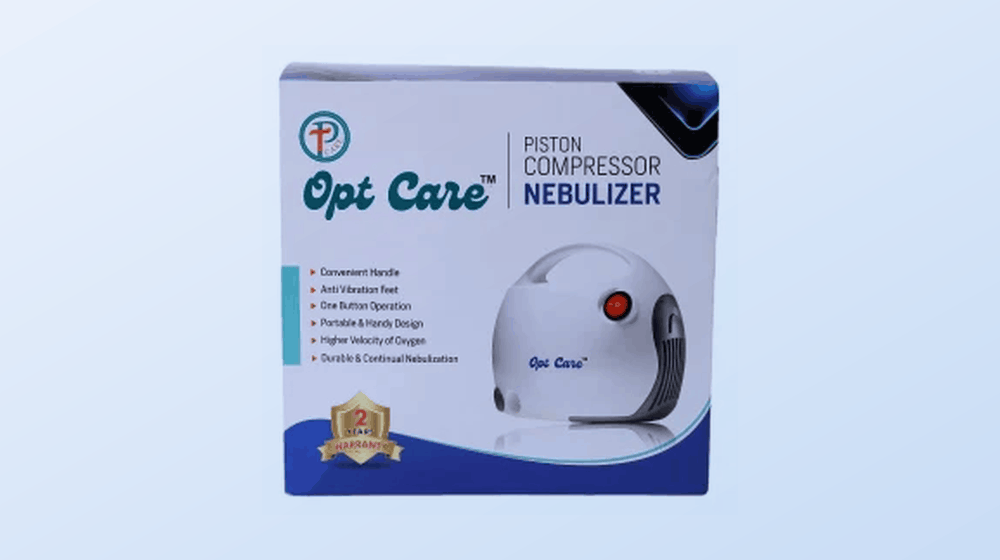
OptCare lists compressor nebulizers among its healthcare products. When considering any device, review its operating instructions, compatible accessories, maintenance requirements, and suitability for the intended user with an appropriate healthcare professional.
7. Making Mistakes When Treating Children
Children may become restless, remove their masks, or find the sound of a nebulizer uncomfortable. A poorly fitted mask can allow mist to escape, potentially reducing the amount inhaled.
Use a suitable device and mask that is appropriate for the child’s age. Help the child sit comfortably and remain calm throughout treatment. Keep the mask positioned as instructed, and supervise the session rather than leaving a young child alone with the equipment.
Never change a child’s medicine or dose based on age alone or use another family member’s prescription. If the child becomes unusually breathless, develops blue or grey lips, or struggles to speak or drink because of breathing difficulty, seek emergency medical assistance.
8. Neglecting the Needs of Older Adults
Older adults may experience reduced hand strength, limited mobility, poor eyesight, or difficulty remembering multiple treatment steps. These challenges can lead to assembly errors or inconsistent cleaning.
Caregivers can help by preparing a clean treatment area, checking the prescription, arranging components in the correct order, and maintaining a written treatment schedule. Demonstrate the procedure slowly and ask the user to explain or show the steps back.
Make sure the person can reach the controls safely and sit comfortably during treatment. If they cannot assemble or clean the equipment independently, establish a suitable support routine with their healthcare team.
9. Following an Incorrect Cleaning Schedule
A common question is how often to clean nebulizer parts. The answer depends on the device design and the manufacturer’s instructions.
In general, washable medication cups, masks, and mouthpieces need cleaning after each treatment. Some devices also require scheduled disinfection. The compressor exterior and air tubing usually need different care from the medication chamber.
Always check care instructions before using boiling, dishwashing, vinegar, or chemical disinfectants. Use only approved methods, rinse when instructed, and allow parts to dry completely. Replace disposable components according to the manual or clinical advice.
10. Continuing Treatment Despite Problems
A nebulizer should not be treated as a substitute for medical assessment when symptoms worsen. Repeatedly taking extra doses because the mist seems weak or breathing remains uncomfortable can be unsafe.
Check the device instructions if it stops producing mist, but do not delay urgent care when breathing difficulty is severe. Seek medical advice if symptoms are worsening, treatment is less effective than usual, or you are uncertain about the prescribed schedule.
Frequently Asked Questions
Conclusion
Safe nebulizer use depends on accurate medication administration, correct assembly, comfortable positioning, regular cleaning, and timely maintenance. Avoiding these errors can support consistent equipment performance and better treatment routines at home.
Keep the manufacturer’s instructions accessible, seek clarification when something is unclear, and never change prescribed treatment without professional guidance. With careful handling and appropriate support, patients and caregivers can make nebulizer care more manageable while prioritizing respiratory health and safety.