What Are Disposable Towelettes? Types, Benefits and Common Uses
Diaper changes, assisted bathing and everyday cleaning often require a convenient hygiene solution, especially when running water is not easily available. Disposable towelettes are single-use sheets available in dry or pre-moistened forms, designed for personal hygiene, baby care and other cleaning needs. They come in different sizes, materials and formulations based on their intended use. Understanding their types, benefits and common uses helps families, caregivers and healthcare professionals choose suitable products for safe and effective daily cleaning.
What Are Disposable Towelettes Made Of?
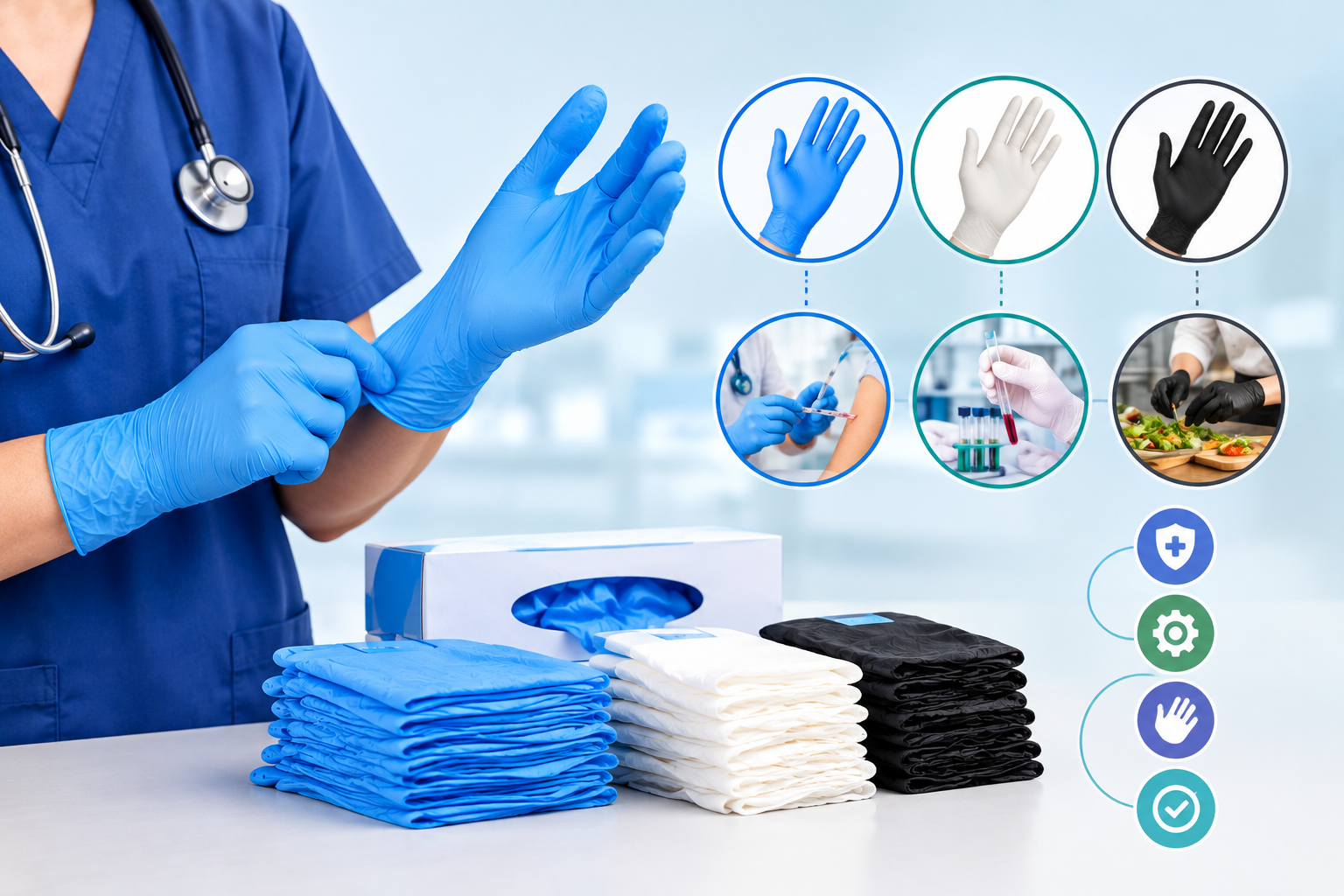
Nitrile gloves are single-use protective gloves made using a synthetic rubber material. They do not contain natural rubber latex proteins, making them a suitable alternative for people with natural latex allergies. These gloves are commonly used in healthcare, laboratories, cleaning and selected industrial activities.
Disposable nitrile gloves are available in different sizes and thicknesses. Many options are powder-free and offer good resistance to punctures and certain chemicals. Their suitability depends on the product specifications and the substances being handled.
Common Nitrile Gloves Uses
Disposable towelettes are single-use sheets designed for cleaning. Many are made from soft nonwoven materials, including cotton, rayon or synthetic fibres. Some are pre-moistened with water and cleansing ingredients, while others are supplied dry for use with a suitable liquid.
Their purpose depends on the formula and label. Skin-cleansing towelettes help lift away sweat, dirt and everyday residue. Products made to disinfect hard surfaces contain different ingredients and must not be used on the body. A towelette is meant to be discarded after use rather than washed and reused.
Types of Disposable Towelettes
Different types of disposable towelettes are available for personal hygiene, baby care and general cleaning. Each type has specific features and uses based on its intended purpose. Understanding these differences helps you choose the right product for everyday needs.
What Are Disposable Towelettes Used For?
Disposable towelettes are commonly used for personal hygiene, daily cleaning and assisted care. Their uses depend on the type of wipe, its ingredients and whether it is designed for skin or surface cleaning.
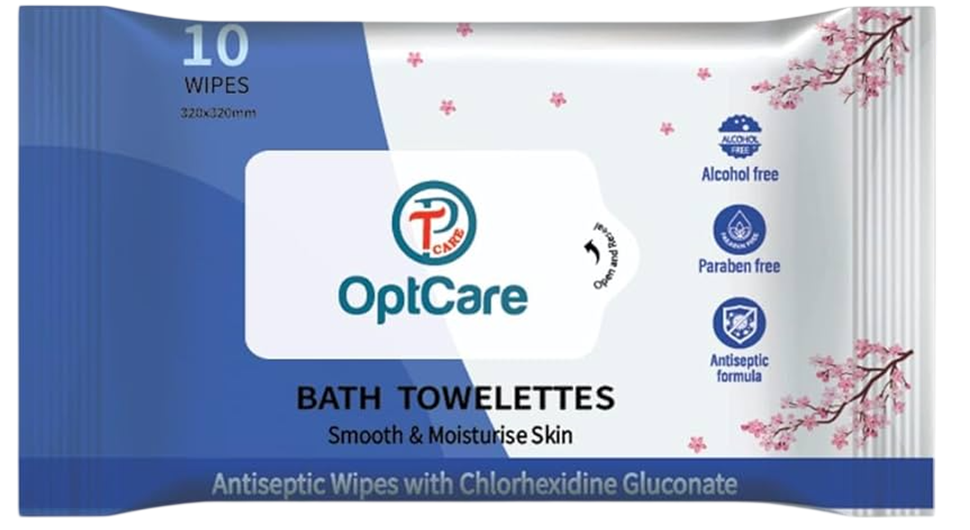
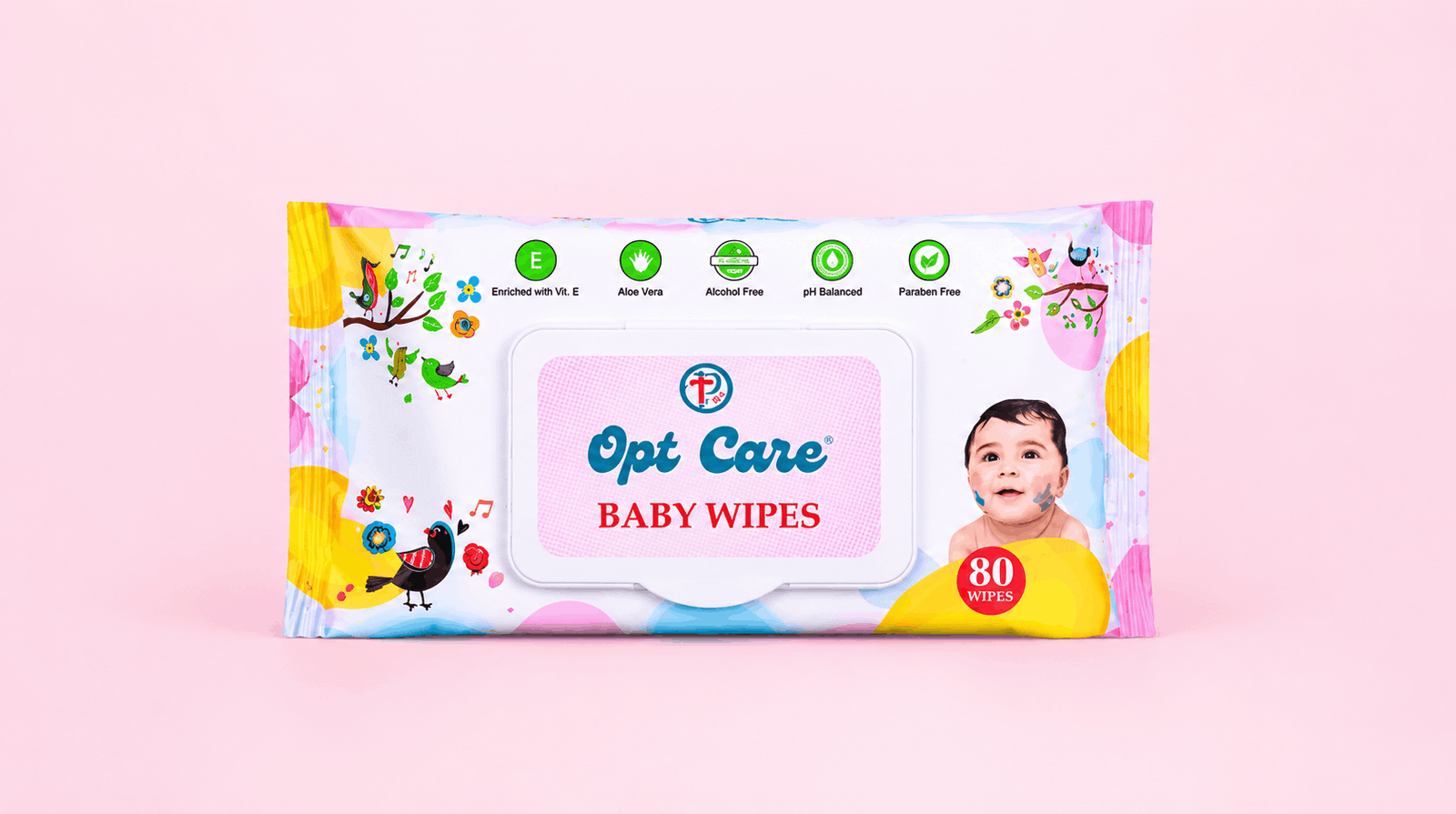
At home, families can use skin-friendly wipes to clean babies after feeding or help older adults maintain personal hygiene. Caregivers may use bath towelettes for body cleaning when regular bathing is difficult. During travel, these wipes offer a convenient way to clean hands and manage minor messes. In hospitals and healthcare facilities, suitable disposable towelettes help with routine hygiene tasks when used according to the facility’s infection-control guidelines.
Benefits of Disposable Towelettes
The benefits of disposable towelettes include convenient cleaning, easy handling and better support for daily hygiene routines. They are especially useful when access to water is limited or regular bathing is difficult.
- Quick and Convenient Cleaning: Pre-moistened towelettes are ready to use, making it easier to clean the skin without additional water or cleansing products.
- Easy to Carry and Store: Compact packaging makes disposable towelettes convenient for travel, homecare and daily hygiene needs.
- Supports Personal Hygiene: Single-use sheets allow a fresh wipe for each cleaning task, helping reduce the transfer of dirt between different body areas.
- Available in Different Sizes: Various sheet sizes and materials make it easier to choose suitable wipes for small cleaning tasks or full-body cleansing.
- Convenient for Assisted Care: Bath towelettes help caregivers clean individuals with limited mobility, reducing the need for frequent movement during routine personal care.
How to Choose Suitable Disposable Towelettes
Start with the intended user and cleaning task, not just the pack size. For babies and people with sensitive skin, look at the full ingredient list and consider fragrance-free products. A larger sheet may be more practical for body cleansing, while a smaller one may be enough for hands or face.
Check the material for softness and strength, and look for packaging that closes properly to prevent drying. Hospitals, care homes and distributors should also review pack quantity, product specifications, expiry information where provided, and consistency of supply before placing bulk orders.
Most importantly, confirm whether the label identifies the product as suitable for skin, hands or surfaces. Similar-looking wipes are not always interchangeable.
How to Use and Store Disposable Towelettes Safely
Disposable towelettes require proper handling to maintain hygiene and reduce the risk of skin irritation. Use a fresh sheet for each cleaning task and follow the instructions provided on the packaging. Choose skin-friendly products for personal care and stop using them if redness, itching or discomfort occurs.
Keep the packaging tightly closed to prevent the wipes from drying out. Store them in a cool, dry place away from direct sunlight and excessive heat. After use, place the sheets in a waste bin rather than flushing them down the toilet, as many contain fibres that can block drainage systems. Proper storage and disposal help maintain product quality and support responsible hygiene practices.
Choosing the Right Disposable Towelettes for Home and Healthcare Needs
Disposable towelettes can simplify personal cleaning at home, during travel and in assisted-care settings. The right choice depends on the user’s skin, the task and clear product instructions. For families, healthcare facilities and bulk buyers exploring bath towelettes, OptCare offers different sheet sizes through its hygiene product range. Explore the bath towelette range or enquire about supply requirements.
Frequently Asked Questions